Thermomass Projects

Article tools: Share:

Educational

Insulated concrete sandwich walls allow safe, durable schools to be built quickly and efficiently

The health and wellbeing of children in our schools is of the utmost importance. This is especially true given the recent revelations regarding the airborne toxins mold and mildew present. Today’s modern schools must be designed and constructed in such a manner that ensures high quality interior air. 

Health experts know that mold and mildew are serious problems in schools. They also know that mold needs moisture to grow. One source of moisture is condensation on or inside walls. Condensation can occur when warm air comes in contact with a cool surface. This can be eliminated with Thermomass insulation systems.

By incorporating the continuous layer of rigid insulation and fiber-composite connectors that separates indoor and outdoor temperatures. Separation of indoor and outdoor temperatures means there are no cold spots on the wall which reduces the possibility of condensation and mold.

Thermomass walls are solid. They do not have cavities or air spaces where condensation and mold can hide. Solid, continuously insulated walls with Thermomass insulation systems reduce the potential for condensation which reduces the potential for mold.

Bottom line—no moisture means no mold, no mildew and no problems!

The following project profiles will help you learn more about the specific benefits provided by Thermomass insulation systems and concrete sandwich wall construction.

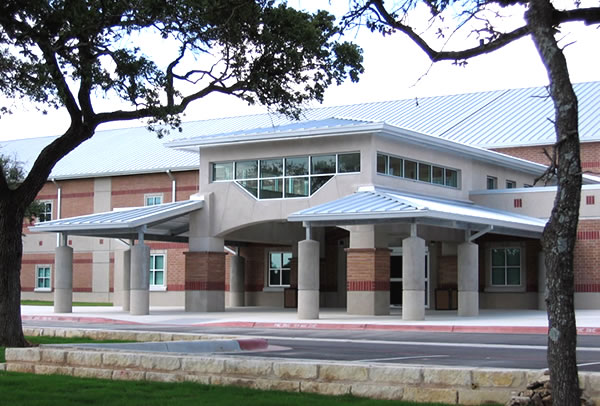
Rutledge Elementary

This Austin school district wanted a building that was energy-efficient, long-lasting, free of mold and mildew concerns and designed to match other local schools.

Read the complete profile...

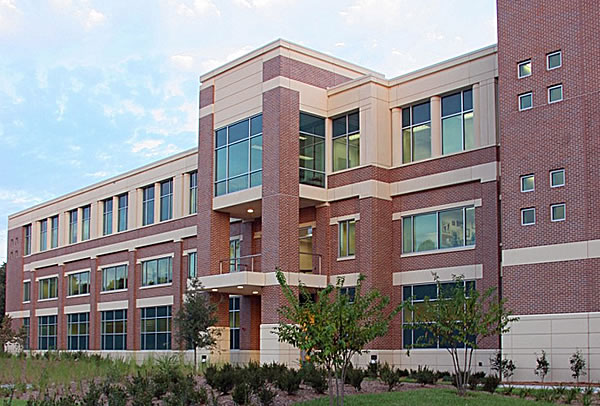
UNF Social Sciences Building

Completed in 2006, the UNF Social Sciences Building was the first LEED-certified facility in Jacksonville and the first “green” building on the University of North Florida campus.

Read the complete profile...

Energy efficiency in concrete terms™